
Introduction
Building disputes can arise when there are disagreements over construction quality, defects, compliance, or contractual expectations. These situations are often complex, particularly when technical issues need to be clearly understood by multiple stakeholders.
In these situations, structured and independent reporting is critical to accurately document building conditions and establish a consistent understanding of the issues.
What Are Building Disputes?
Building disputes typically occur when there is disagreement between parties involved in a project, such as property owners, contractors, or other stakeholders.
Common causes include:
- Building defects identified after completion
- Concerns about workmanship or construction quality
- Disputes over compliance with standards or requirements
- Differences in interpretation of contractual obligations
These disputes often require objective, evidence-based information to progress effectively.
What Is an Expert Report?
An expert report is a structured document that provides an independent assessment of a building issue. It is typically prepared based on:
- On-site inspection of building elements
- Observations of building condition and performance
- Review of available documentation
- Identification of defects or non-compliant elements
The purpose is to present findings clearly, supported by observed conditions and documented evidence.
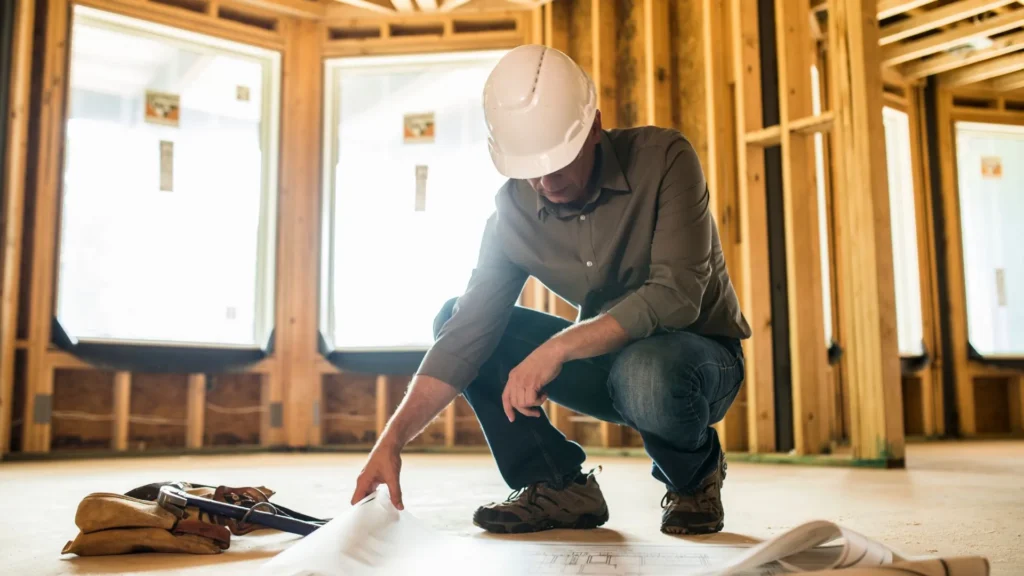
Effective expert reporting relies on detailed on-site inspection of building conditions. Observations are based on actual construction outcomes, ensuring findings reflect how the building is performing rather than assumptions or conflicting interpretations between stakeholders.
Why Expert Reports Matter in Building Disputes
1. Provide Objective, Independent Insight
Expert reports are prepared without influence from involved parties, helping reduce bias and conflicting opinions.
2. Clearly Document Building Issues
They define:
- The nature of the defect or issue
- The location and extent of the problem
- Observed conditions at the time of inspection
This establishes a clear and consistent reference point for all stakeholders.
3. Support Structured Discussions
Documented findings provide a factual basis for discussions between parties involved in the dispute.
4. Assist in Formal Dispute Processes
Expert reports may be used as supporting documentation in:
- Mediation or settlement discussions
- Formal dispute resolution processes
- Legal proceedings, where applicable
What Does an Expert Report Typically Include?
While the scope may vary, most reports include:
1. Inspection Findings
- Observations from site inspections
- Identification of visible defects or performance concerns
2. Description of Issues
- Clear explanation of identified defects
- Areas affected within the building
3. Supporting Evidence
- Photographs or documentation
- Reference to relevant standards or requirements (where applicable)
4. Commentary on Observed Conditions (Where Supported)
- Observations based on site conditions
- Included only where supported by available evidence
5. Areas for Further Investigation
- Identification of aspects requiring additional review
- Based on observed building conditions
Why Independence Is Important
The effectiveness of an expert report depends on its independence.
An independent approach ensures:
- No conflict of interest
- Unbiased assessment of building conditions
- Clear and reliable documentation
This is particularly important when multiple parties have differing views on the issue.
How 360 Advisory Services Supports Building Disputes
360 Advisory Services provides independent building assessments and expert reporting for completed commercial and strata properties where defects or performance issues have been identified.
This includes:
- On-site inspection to identify and document building defects
- Assessment of affected building elements, including water ingress, cracking, and workmanship-related issues
- Preparation of independent expert reports outlining observed conditions and supporting evidence
Where required, these reports may also assist with:
- Clarifying issues for stakeholders
- Supporting discussions between involved parties
- Providing documentation for dispute-related processes
The focus is on delivering clearly documented findings based on observed building conditions, forming a reliable technical reference for dispute discussions.
When Should You Consider an Expert Report?
You may consider obtaining an expert report if:
- There are unresolved building defects
- A dispute has arisen between stakeholders
- There are differing views on building condition or performance
- Clear documentation is required to establish building condition
Final Thoughts
Building disputes can be complex, particularly where technical issues are involved. Expert reports provide a structured and independent way to understand building conditions and establish clarity between stakeholders.
For commercial and strata properties, early engagement of independent assessment services helps define building issues based on observed conditions and supports more consistent dispute discussions.
Frequently Asked Questions
Q1: Are expert reports legally binding?
No, expert reports provide professional observations and opinions but are not legally binding on their own.
Q2: Can expert reports be used in legal matters?
They may be used as supporting documentation in dispute or legal processes, depending on the circumstances.
Q3: Do expert reports determine responsibility for defects?
They focus on identifying and documenting issues. Determining responsibility may involve additional contractual or legal considerations
Q4: Are expert reports only for large projects?
No, they are relevant for a range of commercial and strata properties where building issues or disputes arise.